Running a small business is no small feat. You’re juggling everything from operations to marketing, and in the midst of it all, you can’t afford to overlook insurance. Why? Because the right insurance can be your safety net, protecting your business from the unexpected.
Imagine navigating the choppy waters of entrepreneurship without a life vest. That’s what it’s like without adequate insurance. In this guide, we’ll explore three crucial types of small business insurance, helping you understand their significance and how they can safeguard your business against potential pitfalls.
Types of Small Business Insurance
Did you know that 40% of small businesses will experience a property or liability loss over the next decade? As a small business owner, you can’t afford to ignore these risks.
Let’s dive into the essential insurance types that every small business should consider. From liability coverage to workers’ compensation, understanding these can save you from massive financial headaches.
Understanding Liability Insurance
Liability insurance is your shield against the unexpected. Whether it’s a slip-and-fall accident at your store or a product defect that causes harm, this coverage protects you from legal claims and lawsuits. Without it, you could be on the hook for thousands, if not millions, in legal fees and settlements.
- General Liability: Covers non-employee injuries and property damage.
- Professional Liability: Protects against negligence claims.
- Product Liability: Essential if you manufacture or sell products.
Pro Tip: Pair your general liability insurance with an umbrella policy for extra protection!
Importance of Property Insurance
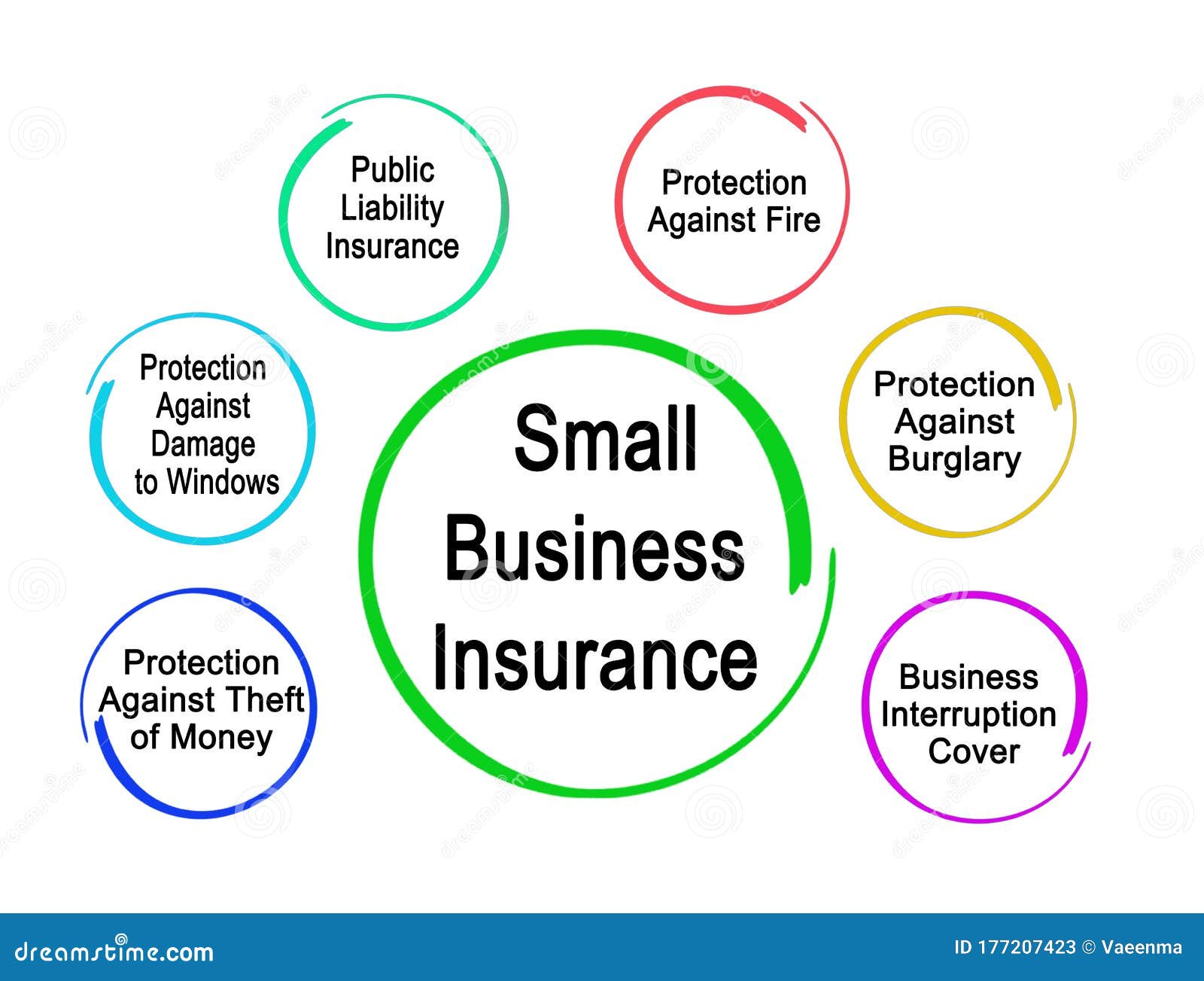
Property insurance is crucial for safeguarding your physical assets. Think about it: Your office, equipment, and inventory—what would happen if they were damaged or stolen? Property insurance ensures you’ll bounce back from these losses.
| Insurance Type | What It Covers |
|---|---|
| Building Coverage | Physical damage to structures |
| Contents Coverage | Damage or loss of business property inside |
| Business Interruption | Loss of income due to a covered peril |
Pro Tip: Consider adding a “business interruption” clause to cover lost revenue during recovery.
Workers’ Compensation Insurance: A Non-Negotiable
If you have employees, you need workers’ compensation insurance. It’s that simple. This insurance covers medical expenses and lost wages if an employee gets injured on the job. Here’s the deal: In many states, it’s legally required.
Besides being a legal obligation, it’s a moral one. Protecting your team means a lot more than just “doing business”—it’s about doing the right thing. Plus, it shields you from potential lawsuits related to workplace injuries.
Pro Tip: Regularly review your workers’ comp policy to ensure it aligns with your current workforce and risks.
Factors Influencing Insurance Costs
Did you know that your business insurance premium isn’t just a random number? There are key factors that can dramatically impact how much you pay for coverage.
Understanding these factors can give you the upper hand in negotiations and help you make smarter decisions. Let’s dive into the specifics of what influences your insurance costs.
Location: The Impact of Your Business Address
Your business location is more than just a spot on the map—it’s a major factor in determining your insurance costs. If you’re operating in an area prone to natural disasters like floods or earthquakes, expect higher premiums. For instance, a coffee shop in Miami might pay more for hurricane coverage compared to a similar shop in Denver.
Here is the deal: insurance companies analyze local crime rates, weather patterns, and more to assess risk levels. This means your zip code can make a huge difference in your insurance bill.
Industry: The Risks of Your Business Type
Your industry dictates your risk level. A construction business deals with heavy machinery and heights, which naturally come with more risk than a consultancy firm. That’s why construction premiums are often higher.
“High-risk industries equate to high insurance costs.”
For example, a tech startup might enjoy lower premiums due to their low-risk nature, while a food manufacturing plant might face higher costs due to potential health hazards.
Business Size: How Scale Affects Premiums
The bigger the business, the bigger the risks. A large retail store with multiple employees and locations is exposed to more liabilities than a small corner shop.
Insurance companies consider the number of employees, size of the premises, and revenue when calculating costs. A chain of restaurants will likely pay more than a single, family-owned diner.
Pro Tip: “Keep your business lean to manage costs—fewer employees can mean lower premiums.”
Examples and Comparisons
Let’s look at two businesses for comparison:
| Business Type | Location | Industry | Approx. Premium |
|---|---|---|---|
| Craft Brewery | California | Manufacturing | $5,000 annually |
| IT Consultancy | Texas | Technology | $1,200 annually |
As you can see, the craft brewery in California pays significantly more than the IT consultancy in Texas. This difference highlights the impact of industry and location on insurance costs.
How to Choose the Right Insurance Provider
Choosing the right insurance provider can make or break your business. Did you know that 40% of small businesses never reopen following a disaster because they lack the right insurance?
Here is the deal: You need to pick an insurance provider that doesn’t just offer coverage but genuinely understands your business needs. Let’s dive into how you can select the right partner for your business insurance.
Steps to Select Your Insurance Provider
Step #1: Research Coverage Options. You’re not just buying a policy; you’re buying peace of mind. Make sure the provider offers the specific coverages you need, like liability, property, or workers’ comp.
Step #2: Compare Costs. It’s tempting to go for the cheapest option, but beware. Sometimes, you get what you pay for. Compare the costs but also what value each provider offers. A slightly more expensive policy might offer vital extras.
Step #3: Evaluate Reputation. Check if the provider has a history of reliable payouts. A company with a bad track record is a red flag.
Pro Tip: Look for providers with high customer satisfaction ratings and awards in the industry.
Step #4: Assess Customer Service. You want a provider who answers your calls promptly and handles claims efficiently. Test their customer service by making a few preliminary inquiries.
Criteria Checklist for Choosing Your Provider
Here’s a quick checklist to help you evaluate insurance providers:
| Criteria | Details |
|---|---|
| Coverage | Does it cover all your business needs? |
| Cost | Is it within your budget without compromising essentials? |
| Reputation | What do past customers say? |
| Customer Service | How quickly do they respond to queries? |
The Role of Online Reviews and Testimonials
Never underestimate the power of online reviews. 84% of people trust online reviews as much as personal recommendations. But here’s the catch: Be wary of reviews that seem too good to be true.
Testimonials can give you insight into the real customer experience. Look for patterns in reviews—do multiple customers complain about the same issue? That’s your red flag.
Benefits of Having Small Business Insurance

Did you know that 40% of small businesses are likely to experience an insurance claim within the next 10 years? That’s right. When you run a small business, insurance isn’t just a nice-to-have—it’s a must.
Insurance acts as your financial safety net, protecting you from unexpected disasters and costly legal disputes. It allows you to focus on growing your business without the constant fear of “what if” scenarios bogging you down. Let’s dive into the specific benefits.
Protection Against Financial Losses
When disaster strikes, it often hits your wallet the hardest. Whether it’s property damage from a storm or a lawsuit from a disgruntled customer, the costs can skyrocket. Here’s how insurance helps:
- Property Coverage: Safeguards your physical assets like buildings and equipment.
- Liability Protection: Covers legal fees and settlements if someone sues your business.
- Business Interruption Insurance: Compensates for lost income when your business operations are halted due to a covered event.
Peace of Mind and Security
Running a business is stressful enough without fearing the unknown. With insurance, you gain something invaluable: peace of mind. Here’s what this means for you:
- Focus on Growth: Insurance allows you to take calculated risks—vital for expansion.
- Employee Assurance: Coverage like workers’ compensation builds trust and loyalty among your team.
- Client Confidence: Your customers know they’re in safe hands.
Pro Tip: “Always assess your specific risks before choosing an insurance policy. A tailor-made plan offers the best protection.”
Common Challenges and Solutions
Securing insurance for your small business can feel like navigating a minefield. With a myriad of options and costs, it’s easy to get overwhelmed. But what if I told you there’s a way to simplify this process?
The key is understanding the common challenges you might face and how to overcome them. Let’s dive into the typical roadblocks and their solutions, so you can protect your business without losing sleep.
Understanding Policy Jargon
Insurance policies are often filled with jargon and complex terms. This can lead to misunderstandings about what you’re actually covered for. The solution? Work closely with a knowledgeable broker who can break down the terms for you, ensuring you know exactly what you’re getting.
Balancing Coverage and Cost
Finding that sweet spot between adequate coverage and affordable cost is a common struggle. Many businesses either overpay for unnecessary coverage or skimp and risk being underinsured. Here’s the deal: Conduct a risk assessment to determine your specific needs, and then compare multiple quotes to get the best deal.
Adapting to Changing Business Needs
Your business isn’t static, and neither should your insurance be. As your business evolves, your insurance needs will too. Regularly review and update your policies to ensure they still align with your operations. This proactive approach can save you from unexpected surprises down the line.
Pro Tip: Schedule an annual review of your insurance policies with your broker. This keeps your coverage relevant and cost-effective.
Examples of Successful Navigation
Consider a small tech startup that initially opted for basic liability insurance. As their client base grew, they faced increased cybersecurity threats. By consulting with their broker and revising their coverage, they added a cyber liability policy just in time to prevent costly breaches.
Another example is a local restaurant that faced a lawsuit due to a slip-and-fall accident. Their comprehensive liability insurance covered legal fees and damages, showing the importance of anticipating potential risks in their industry.
These examples highlight the importance of adaptability and understanding your unique business risks when securing insurance.
Case Studies of Small Businesses with Effective Insurance
Did you know that 40% of small businesses never reopen after a disaster? This is where effective insurance comes in. Let’s dive into how some businesses not only survived but thrived because of the right coverage.
Insurance isn’t just a safety net—it’s a game-changer. By analyzing real-world examples, we can uncover strategies that ensure resilience and growth.
Bakery Bliss: From Disaster to Domination
Meet Sarah, the owner of a small bakery in downtown Nashville. When a burst pipe flooded her shop, she thought it was game over. But thanks to her comprehensive property insurance, she was back in business in under a month. Her policy covered not just structural repairs but also business interruption losses.
Here’s the deal: Sarah chose a policy that anticipated her specific risks. She understood that even a brief closure could cripple her income. Her insurer’s prompt action meant she didn’t lose her loyal customer base.
Tech Startup Triumph: Data Secure, Future Secure
James, running a tech startup, knew that one data breach could destroy his reputation. Cyber liability insurance was his secret weapon. When a minor breach occurred, his insurance covered the costs of customer notifications, credit monitoring, and legal fees.
This proactive approach didn’t just safeguard his business; it built trust with his clients. By demonstrating a commitment to security, James attracted even more business post-incident.
Fitness Frenzy: Liability Lessons
A local gym faced a lawsuit when a member slipped and got injured. This could’ve drained their resources, but their general liability insurance handled the legal expenses and settlement costs. The gym owner realized the importance of coverage that goes beyond the obvious risks.
Here’s what I learned: By regularly reviewing and updating their coverage, they ensured protection against emerging liabilities. It was a small investment with a massive payoff.
Pro Tip: Regularly review your insurance policies and adjust your coverage as your business grows. It’s the best way to ensure you’re protected without overpaying.
These stories show that effective insurance isn’t about avoiding risks—it’s about preparing for them. By learning from these small businesses, you can make sure your business is ready for anything.
Summary
So there you have it—a comprehensive look at small business insurance and why it’s a non-negotiable for entrepreneurs. By understanding the different types, the factors influencing costs, and how to choose the best provider, you’re setting your business up for success. Remember, having the right coverage isn’t just about compliance; it’s about peace of mind and ensuring that your business thrives even when faced with the unexpected.
Answers to Common Questions
What are the main types of small business insurance?
The primary types are liability insurance, property insurance, and workers’ compensation insurance.
Why is liability insurance important for small businesses?
Liability insurance protects your business from claims involving bodily injuries or property damage due to business operations.
How does location affect my insurance costs?
Insurance costs can vary based on your business location due to factors like local crime rates, weather risks, and regional regulations.
What should I look for in an insurance provider?
Key criteria include coverage options, cost, reputation, and customer service.
Can online reviews help in choosing the right insurance provider?
Yes, online reviews and testimonials can provide insights into customer satisfaction and the reliability of providers.
